
History of Barrhead, Alberta From the Klondike Gold Rush trail to the homesteaders who built a community from the ground up, Barrhead's story runs deep.
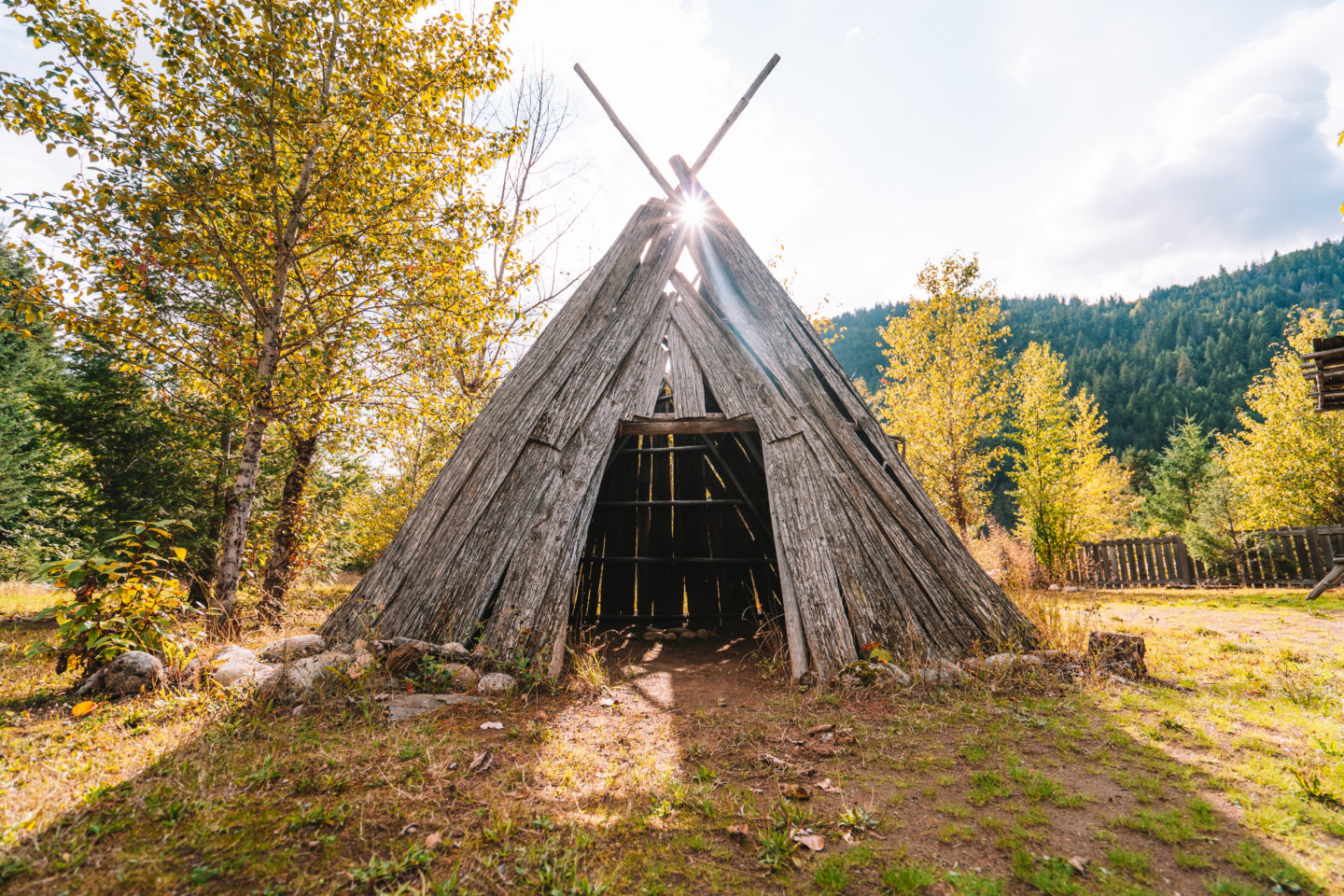
Long before European settlers arrived, the Cree people lived across this territory for generations, following the rhythms of the Paddle River and the surrounding forests. Their knowledge of the land shaped the trails and routes that later defined the region's development.The area was also shaped by the fur trade era. A historic trail built in 1825 linked Fort Edmonton to Fort Assiniboine through the Paddle River valley, serving as one of the primary arteries of movement and commerce in northwestern Alberta.

In 1898, the Klondike Gold Rush transformed this quiet corridor into one of the most travelled routes in western Canada. Thousands of prospectors left Edmonton heading northwest, and the trail through the Barrhead area became their most direct path to the Yukon. The old Barrhead townsite, approximately three kilometres north of today's town centre, served as a regular stopping point where travellers rested and restocked before pushing farther north.Highway 33, the Grizzly Trail, follows the original Klondike Trail route. At Two Mile Corner, where Highways 18 and 33 meet, the Klondike Trail Viewpoint still marks where those early prospectors once stopped. The historic Klondike Ferry across the Athabasca River, one of only seven remaining cable ferries in Alberta, operates from April to October each year.
Settlement in the Paddle River valley began around 1906. Homesteaders arrived primarily from Britain and the United States, drawn by some of the most fertile agricultural land in Alberta. They cleared thick stands of spruce, birch, pine, and poplar, broke ground, and planted cereal crops.The McGuire family was among the earliest settlers. When the time came to name the growing community, they put forward their hometown of Barrhead, Scotland. The name stuck. In 1912, the Paddle River Co-operative Society was established, a store opened the following year, and on January 1, 1914, the official Barrhead, Alberta post office opened its doors. A stopping house, a North-West Mounted Police barracks, a blacksmith shop, and a garage followed. A community was taking shape.


In 1927, the Northern Alberta Railway brought the Pembina Valley branch line into the area, but through a different quarter of land than where the community had been building. Barrhead moved to meet it.Residents relocated their homes, the garage, and the store to the new railway site, where four grain elevators were already under construction. Streets and lots were laid out around the tracks in a grid pattern still in use today. Businesses opened quickly: grocery and hardware stores, a drug store, a hotel, a restaurant, a butcher shop, and the United Church. Barrhead was incorporated as a village on November 14, 1927. A hospital opened that fall, and a school followed in 1928.
Agriculture remained the backbone of the region through the following decades. The land between the Athabasca and Pembina Rivers supported some of the richest farms in Alberta, and the railway made it easier to move both grain and lumber from the heavily forested surrounding area.Main Street was paved in the mid-1960s and upgraded in 1995 with brick inlays, bronze blue heron statues, banners, and planters. The great blue heron, prominent in local waterways, is Barrhead's official bird. In 1967, the Barrhead Historical Society built the Centennial Museum and published the community's first historical book, "Trails Northwest." The Alberta Distance Learning Centre has been located in Barrhead since 1983, serving students across the province.

.jpg)
The Barrhead Centennial Museum houses pioneering-era artifacts, a full local newspaper archive, and rotating exhibits on the people and events that shaped the region. Open June to September.
Whether you're visiting, moving, or investing, there's more to discover in a community this rooted.Lorem ipsum dolor sit amet, consectetur adipiscing elit. Suspendisse varius enim in eros elementum tristique. Duis cursus, mi quis viverra ornare, eros dolor interdum nulla, ut commodo diam libero vitae erat. Aenean faucibus nibh et justo cursus id rutrum lorem imperdiet. Nunc ut sem vitae risus tristique posuere.